
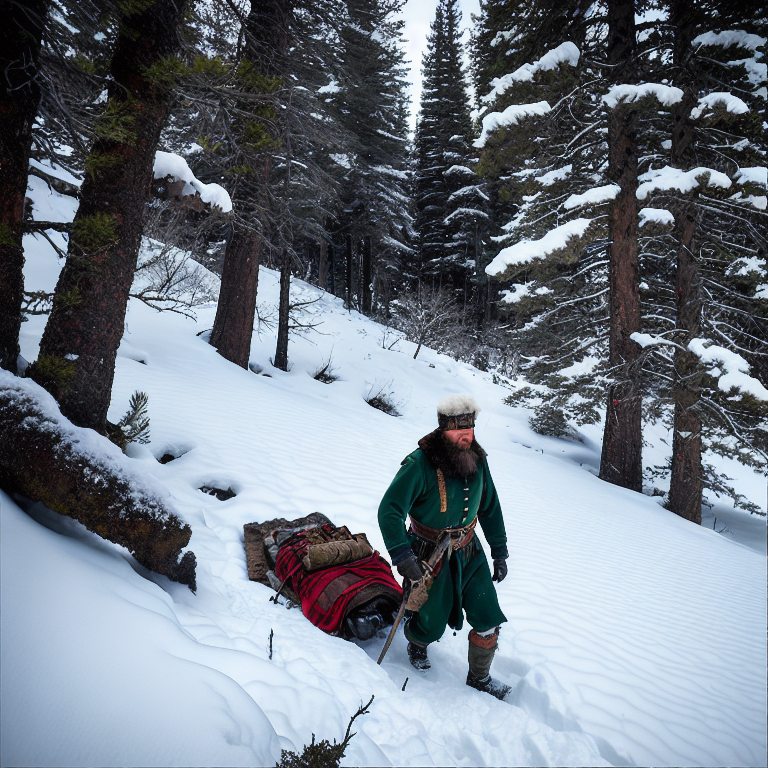
When “The Revenant” hit theaters in 2015, audiences were stunned by its raw depiction of survival against impossible odds. The film’s brutal realism and Leonardo DiCaprio’s Oscar-winning performance made it an instant classic. But what many viewers don’t realize is that the story is based on real events from American frontier history, with some dramatic embellishments added for cinematic impact.
The movie draws from the life of Hugh Glass, a frontiersman and fur trapper who lived in the early 1800s. His incredible tale of survival after being mauled by a grizzly bear and left for dead has become legendary in American folklore. The film captures the essence of Glass’s ordeal while taking some creative liberties to heighten the dramatic tension.
The grizzly bear attack that forms the centerpiece of the film actually happened, though perhaps not as dramatically as portrayed. In 1823, Glass was hunting in present-day South Dakota when he encountered a mother bear with cubs. The bear mauled him severely, breaking his leg and ripping open his throat. Other members of his trapping party found him barely alive and carried him back to camp.
What happened next is where the real story becomes almost as incredible as the film version. Two men, John Fitzgerald and Jim Bridger, were paid to stay with Glass until he died. However, they abandoned him after several days, taking his weapons and supplies. Unlike the film’s portrayal, both men actually survived and returned to civilization, though Glass eventually tracked them down.
The film’s depiction of Glass’s survival journey takes significant creative license. While he did survive and make it back to Fort Kiowa on the Missouri River, the timeline and specific events were condensed and dramatized. The movie’s portrayal of his relationship with his Native American wife and son, while adding emotional depth, is largely fictional, as there’s no historical evidence of Glass having a Native American family.
One of the most striking aspects of “The Revenant” is its authentic portrayal of the American frontier in the 1820s. The film’s production team went to extraordinary lengths to recreate the period accurately, filming in remote locations in Canada and Argentina to capture the harsh wilderness that Glass would have faced. This attention to detail helps ground the more dramatic elements of the story in a believable historical context.
The film also explores themes of revenge and survival that resonate with the historical Glass’s story. While the movie shows Glass pursuing Fitzgerald across hundreds of miles of wilderness, the real Glass did seek out both Fitzgerald and Bridger. However, he ultimately forgave Bridger and only recovered his rifle from Fitzgerald, choosing not to kill him despite having the opportunity.
“The Revenant” also draws inspiration from the broader context of the American fur trade in the early 19th century. This era saw intense competition between Native American tribes, European trappers, and American frontiersmen for control of valuable fur resources. The film captures this tension through its depiction of various Native American groups and the complex relationships between them and the white trappers.
The movie’s portrayal of the natural world as both beautiful and deadly reflects the real dangers faced by early American frontiersmen. Grizzly bears, harsh winters, and treacherous terrain were constant threats. The film’s cinematography emphasizes this duality, showing breathtaking landscapes that are simultaneously awe-inspiring and life-threatening.
One aspect the film handles well is the medical knowledge (or lack thereof) available at the time. Glass’s survival with severe injuries would have been nearly impossible without the rudimentary medical care provided by his companions and his own knowledge of frontier medicine. The movie shows him using various natural remedies and survival techniques that would have been common knowledge among experienced frontiersmen.
The character of John Fitzgerald in the film is based on the real John Fitzgerald, though the movie version is significantly more villainous. The real Fitzgerald was a veteran frontiersman who had his own reasons for wanting to abandon Glass, including fear of Native American attacks and the practical difficulties of caring for a severely injured man in the wilderness.
“The Revenant” also touches on the complex relationships between different Native American tribes during this period. The film shows various groups with distinct motivations and cultural practices, reflecting the historical reality of tribal politics and conflicts over resources and territory.
The movie’s ending differs significantly from the historical record. While the film concludes with a dramatic confrontation between Glass and Fitzgerald, the real Glass eventually recovered his rifle from Fitzgerald and chose to let him live. This more nuanced ending reflects the complex moral landscape of frontier justice.
The film’s production itself became something of a legend, with reports of extreme weather conditions, difficult shooting schedules, and director Alejandro González Iñárritu’s insistence on natural lighting creating a challenging environment for the cast and crew. This behind-the-scenes drama added another layer to the film’s reputation for authenticity and intensity.
“The Revenant” succeeds in capturing the spirit of Hugh Glass’s incredible survival story while creating a compelling narrative that stands on its own as a work of art. By blending historical facts with dramatic fiction, the film creates a powerful exploration of human endurance, revenge, and the unforgiving nature of the American frontier.
For those interested in learning more about the real history behind the film, several books and documentaries explore Hugh Glass’s life and the broader context of the American fur trade. These resources provide fascinating insights into the true events that inspired this cinematic masterpiece.
The film’s impact extends beyond its historical inspiration, sparking renewed interest in early American frontier history and the incredible stories of survival and adventure from that era. It serves as a reminder of the harsh realities faced by early American pioneers and the complex relationships between different cultures during this pivotal period in American history.